Featured
Table of Contents
Look for media mentions, posts, or podcasts that affected the opportunity. "PR affected 30% of closed deals this quarter" or "offers with PR involvement closed 20% larger" make a stronger case than impression counts.
With 64% of PR specialists currently utilizing generative AI, teams are establishing clear disclosure guidelines to keep trust. This means labeling when, and never using synthetic quotes or AI-generated statements in news contexts.
How do you really put this into practice? (typically for internal drafts only). Need every public-facing possession to consist of recorded human sign-off utilizing workflow tools like Idea, Trello, or Google Docs.
Include a required checklist step in your content design templates: "Was AI utilized? If yes, is that revealed? Were all facts validated by a human? Are all quotes from real people?" Many transparency failures take place because somebody forgets, not due to the fact that they're attempting to hide something. Make verification automatic by including it to your approval process.
AI-generated videos and audio have actually ended up being so practical that PR groups now prepare for crises based on made events that never occurred. Conventional crisis plans cover. Now they should consist of deepfakes that duplicate an individual's face, voice, and gestures convincingly enough to fool most viewers. The advantage goes to groups that prepare early.
The Impact of SEO in Building Authority
Wait till something goes viral, and you're currently behind. Build your defense with three fundamental actions: Include specific procedures for fake videos or audio, prepare holding statements in advance, designate who verifies content credibility, and establish a reaction chain of command. Set up accounts or partnerships with tools like or.

Train spokespeople on how deepfakes work, what red flags to watch for, and how to react calmly if their voice or face appears in made content. PRLab's expert-tip: In the very first couple of hours, validate whether the material is authentic and prepare a calm, fact-based statement. Over the next day or more, share your confirmed version of occasions with proof across made media, your own channels, and direct updates to stakeholders.
Incorrect material does not vanish overnight, and your response shouldn't either. Brand advocacy is when business take public positions on.
The genuine danger isn't reaction. Technique brand activism strategically with 3 actions: Study to staff members, hold listening sessions with leaders, and usage tools like to see if your group truly supports the values you desire to promote. Link the cause straight to your brand name's identity and back it up with actions.
Essential Marketing Strategy Models for 2026
Usage tools like or to keep an eye on public reaction and react rapidly if issues occur. PRLab's expert-tip: Brand advocacy works when it's real, tactical, and sustained.
Anticipate some pushback, and have a prepare for how you'll handle it, internally and externally. Zero-click optimization means structuring your PR material to appear straight in search results page through formats like In between Might 2024 and Might 2025, which implies more than two-thirds of searches now end without a click. For PR teams, this creates a presence obstacle: Those components must clearly share your essence, or your story might never ever be seen.
If your crucial message does not appear in that preview, a rival's might. During a crisis, Start by checking your current presence. Search your latest news release and see what snippet appears. Share it on social media and examine the preview card. The majority of PR teams discover problems such as:. Next, repair the structure by focusing on clearness: Compose headlines that inform the full story on their ownChoose images that make sense without additional contextPut the bottom line in your very first sentenceUse bullets or numbers to make info simple to scan in previewsPRLab's expert-tip: Format matters more than you think.
Newsrooms are publishing formal AI policies that directly affect how they examine inbound pitches. Starting in late 2024, outlets like the Associated Press, Reuters, and The New York Times expect PR groups to follow particular standards: These policies use to all pitches, not simply internal newsroom practices.
Comprehending and following these requirements Create a referral file documenting each outlet's AI and sourcing policies, a lot of which are now released on their websites or editorial standards pages. Before pitching, format your outreach to fulfill their criteria: Link to initial information, research studies, or reports you reference. Include names, titles, contact number, and e-mail addresses for reporters to verify your claims straight.
Protecting Brand Name Equity Throughout Local Market ShiftsHow Modern Marketing Drives AI Search Rankings
Connect with concerns like "What kind of verification helps your group evaluation pitches quicker?" or "Is there a sourcing format that fits much better with your workflow?" Use their feedback to improve your pitch templates and you'll stick out as someone who appreciates their time and makes their job much easier.
Smart PR groups now handle developer relationships the very same method they handle media relationships. Standard media still matters, but audiences progressively find brand names through developers.
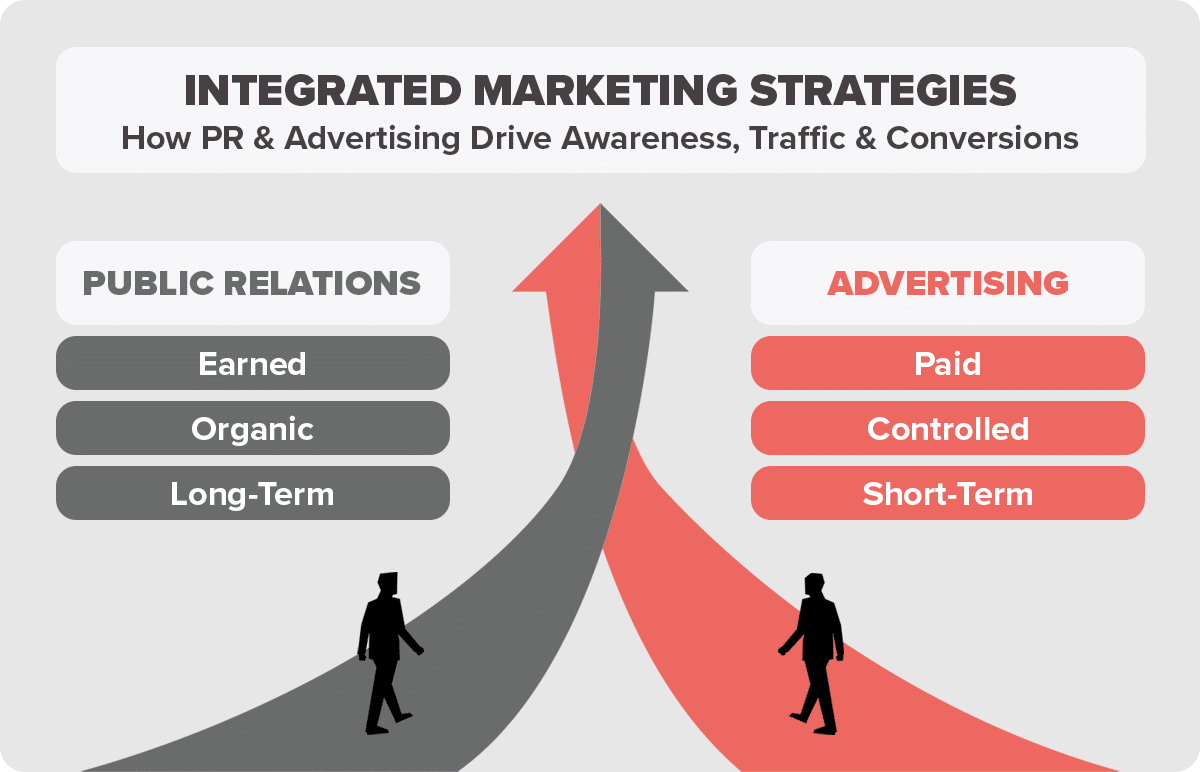
Choose 5 to 10 developers whose tone, audience, and worths show your brand. Then, construct real relationships before pitching: Thenshare assets they can adapt into their own stories: PRLab's expert-tip: Structure your creator brief as 80% context (your mission, story, goals) and 20% requirements (crucial messages, disclosure guidelines). This mirrors how you 'd brief a reporter: provide realities and context, then let them develop the story.
Set clear boundaries on messaging accuracy and disclosure compliance, but avoid over-directing the creative execution Traditional media doesn't control the story like it utilized to. Journalists are developing their own platforms, from newsletters to YouTube channels, and numerous now operate individually with dedicated followings. Brands are purchasing their that reach their audience straight.

Latest Posts
Navigating the Future of AEO for Success
Future PR Trends for the Year 2026
Top Benefits of Integrated Marketing for B2B